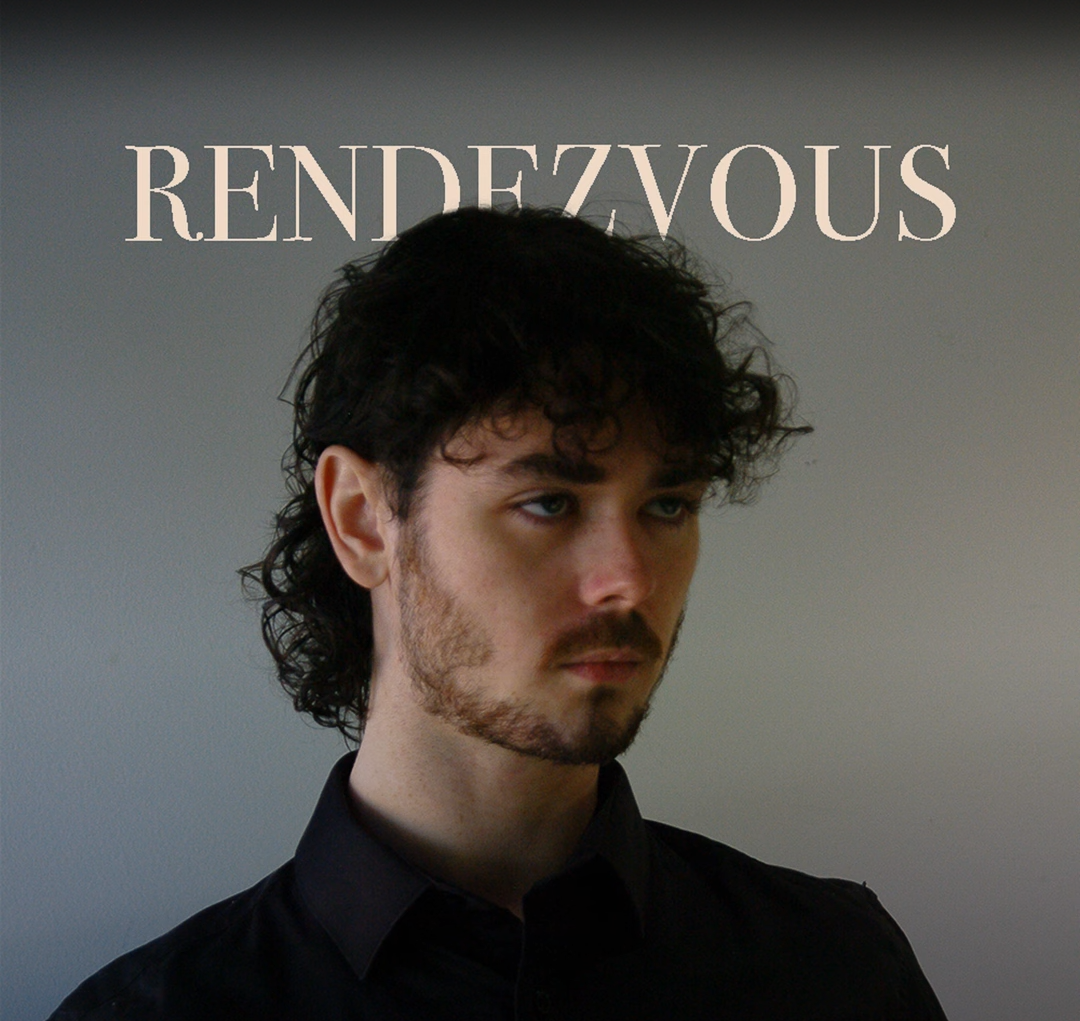
RENDEZVOUS is a single written by KAMI, a star musician at Vermilion Records. This powerful orchestral pop song illustrates KAMI's complicated struggle with love through his passionate vocal and performance.
As the director of this project, RENDEZVOUS music video was a true test of my abilities as a leader and creative practitioner. Prior to beginning this production, I have set out three goals to achieve through this music video.
- Making a high quality and professional music video content.
- Properly using and returning loaned equipment.
- Creating genuine and meaningful connection with the crew and other collaborators to work with again in the near future.
In this blog post, I will talk through the process of creating this music video from the director's perspective and whether I was able to achieve my three objectives or not. Before I start, I would also like to mention that I have high standards for my work and when I refer to something as not great, I don't mean to diminish something or someone's work but I am pointing out that it could have been improved.
Original song
Pre-Production
Assembling the crew
This project began with the most important step, finding the crew. I was extremely fortunate enough to quickly find a producer, Yuki Ishigaki-Gilbert, a hard-working and passionate filmmaker who has been nothing but helpful throughout this entire production. With the above-the-line crew finalised, we began looking for the technical crew as that is my background and I believe in earlier stages of a filmmaking career, technical proficiency is very important for creating a good music video. Hence, I promptly secured the roles of director of photography/2nd camera operator, 1st camera operator, 1st assistant camera, gaffer/grip, best boy, vision editor, and colour editor. Everyone in these roles were people I have worked with in the past and all extremely hard-working people with great talent and passion. I fully trust that these people will meet my standards and elevate the quality of the production. We continued crewing up in the roles of production manager, production assistant, visual artist, hair & makeup artist, behind-the-scenes videographer/photographer with people I have seen working and I believe will also help this project produce a better outcome. After this step, the remaining roles were 1st assistant director and art team. I had no familiarity with people in these departments, therefore we decided to take in shortlisted members from our crew list. In the end, our crew was finalised with 18 great filmmakers.
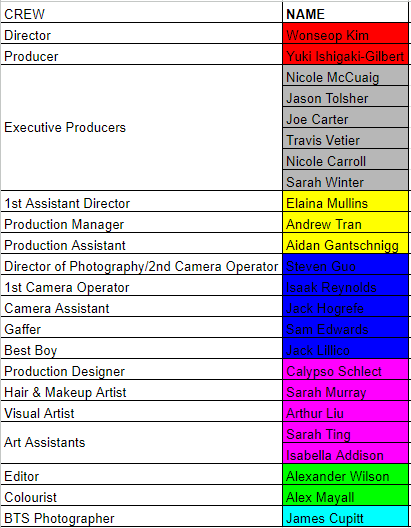
Crew List of RENDEZVOUS MV
Developing the concept
With no concerns about my team, I began the initial planning of the music video production. Throughout my directing experiences, I have developed a distinct workflow structure and this project was no exception to this. The first step was to familiarise myself with the song by listening to it on repeat and meet the artist to brainstorm rough concepts. While I continued listening to the song and got the idea confirmed by the artist, I started writing a brief and audio visual script.
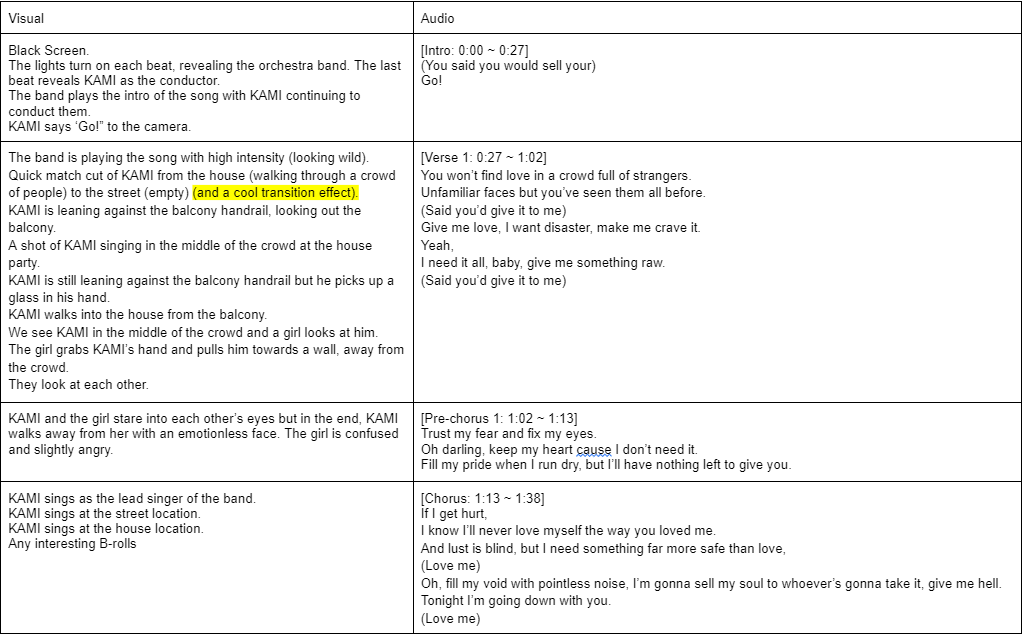
A Section of RENDEZVOUS MV AV Script (V3)
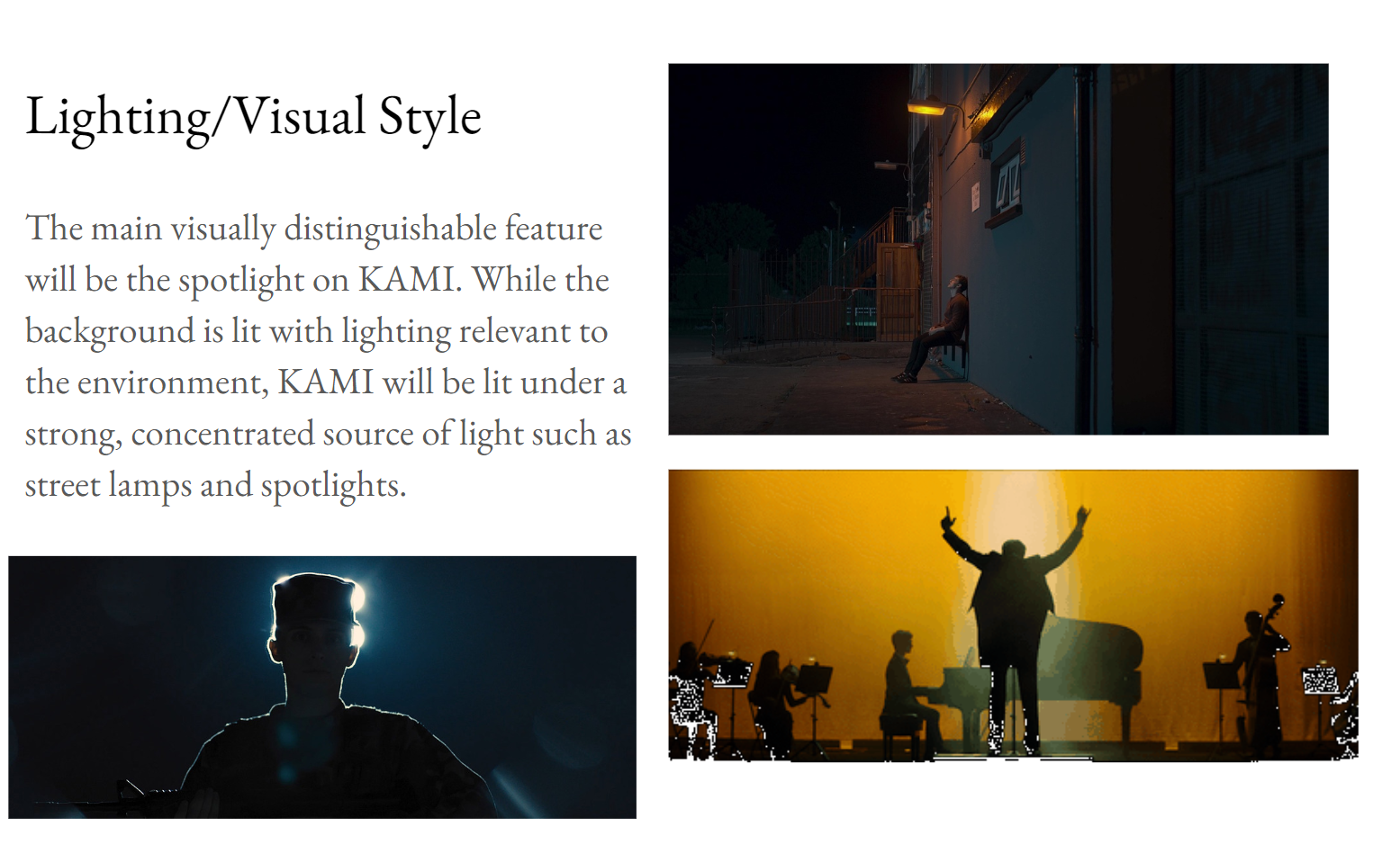
A Section of RENDEZVOUS MV Brief
These documents allowed an easier communication with the artist and crew as it conveyed the initial concept. While the AV script can provide a bit of detail on specific shots and timing, the brief shows the general theme with images and short paragraphs. While the creative documentations are being written, the producer and I are also working on the production logistics such as location, cast, equipment, fundraiser, and shooting dates. Our music video concept was to depict KAMI as a somewhat lonely guy at various locations of house party, performing stage, and a street. Another key point was capturing a beautiful and energetic performance of the song from KAMI. With these initial ideas, we began looking at potential shooting locations and number of extras and musicians for performing the song. With my background in camera and lighting department, I was very familiar with the equipment we needed. Our key point with equipment was to use two cameras to get a lot of coverage and a lot of coloured lights. The shooting dates are closely tied with the availability of equipment therefore we chose to shoot for two days for house party and one day each for performing stage and the street. And finally, with this being a $0 budget project, we decided to start an online fundraiser. To summarise all this information, we created a list of potential options for each logistic.
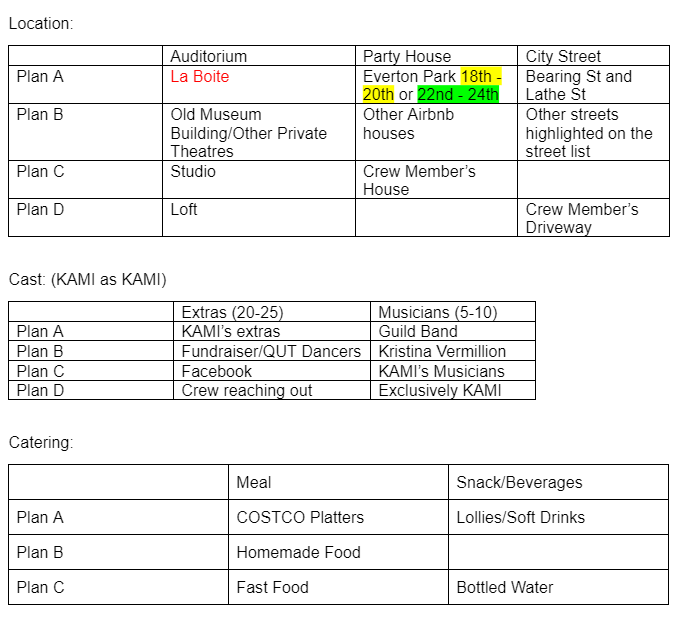
Conceptual Options for Location, Cast, and Catering
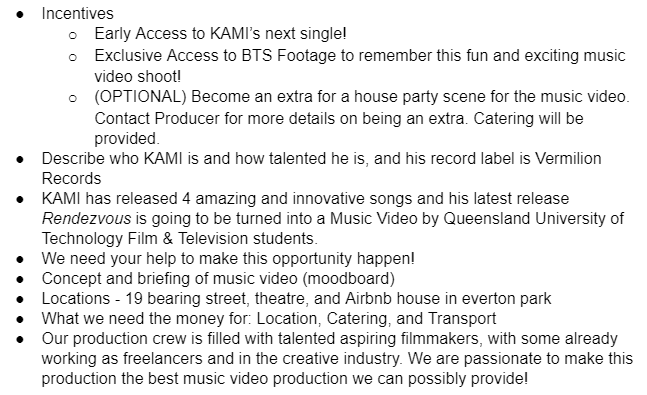
Key Points For Fundraiser
Paper edit & shot list
While the producer and I were collaborating on figuring out the logistics of the shoot, I was working on a paper edit document. While the steps so far are quite industry standard, documenting a paper edit at this point is very unique as this document is used for post-production but this is my general workflow when directing. I use the paper edit instead of a shot list to conceptualise the entire music video while determining pacing and coverage.
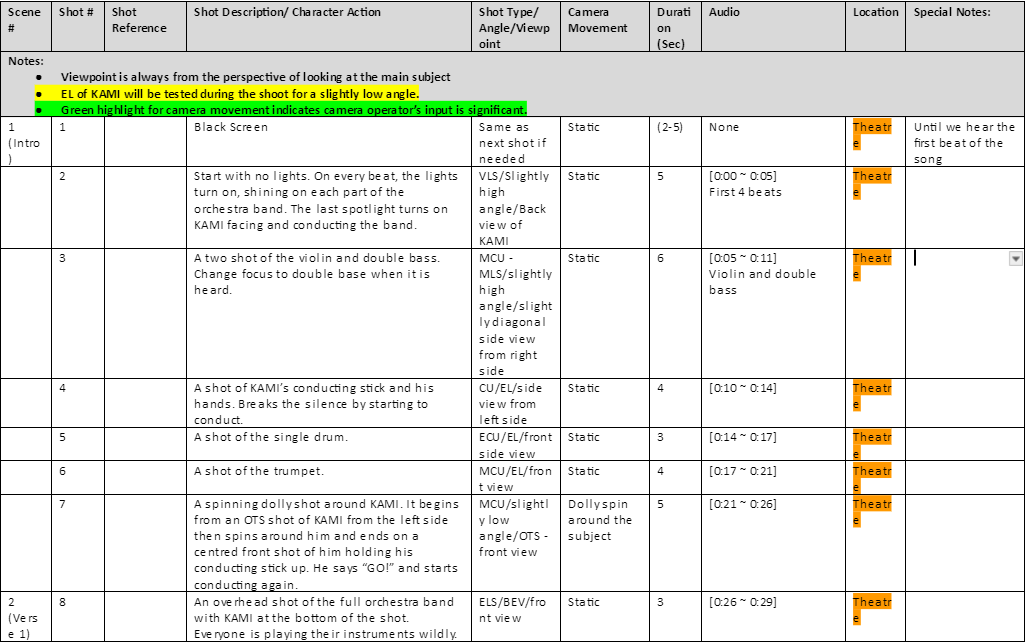
A Section of Paper Edit/Shot List
With this document, I did a script breakdown to fully ensure that there are enough shot coverages planned.
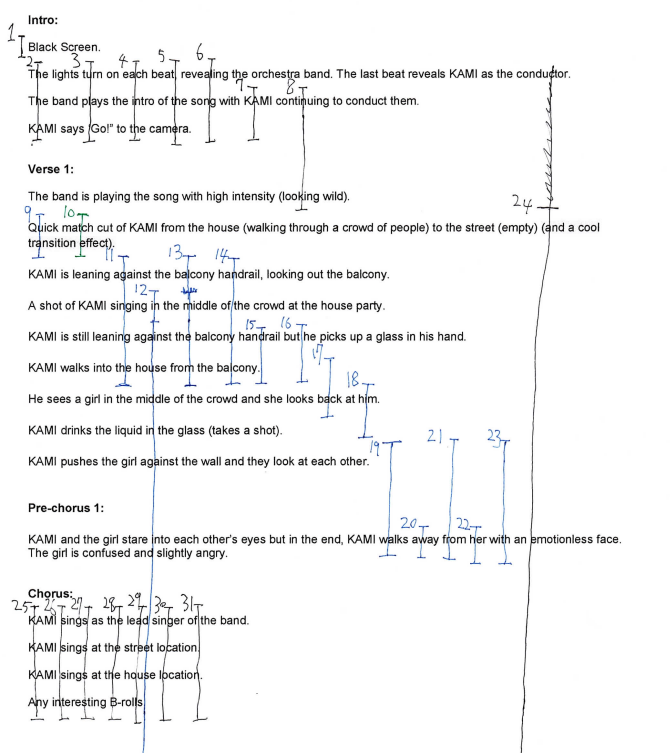
Script Breakdown For Coverage
Document coming soon
While the crew was not involved, I also did some basic shooting tests with Panasonic Varicam LT, our main camera.
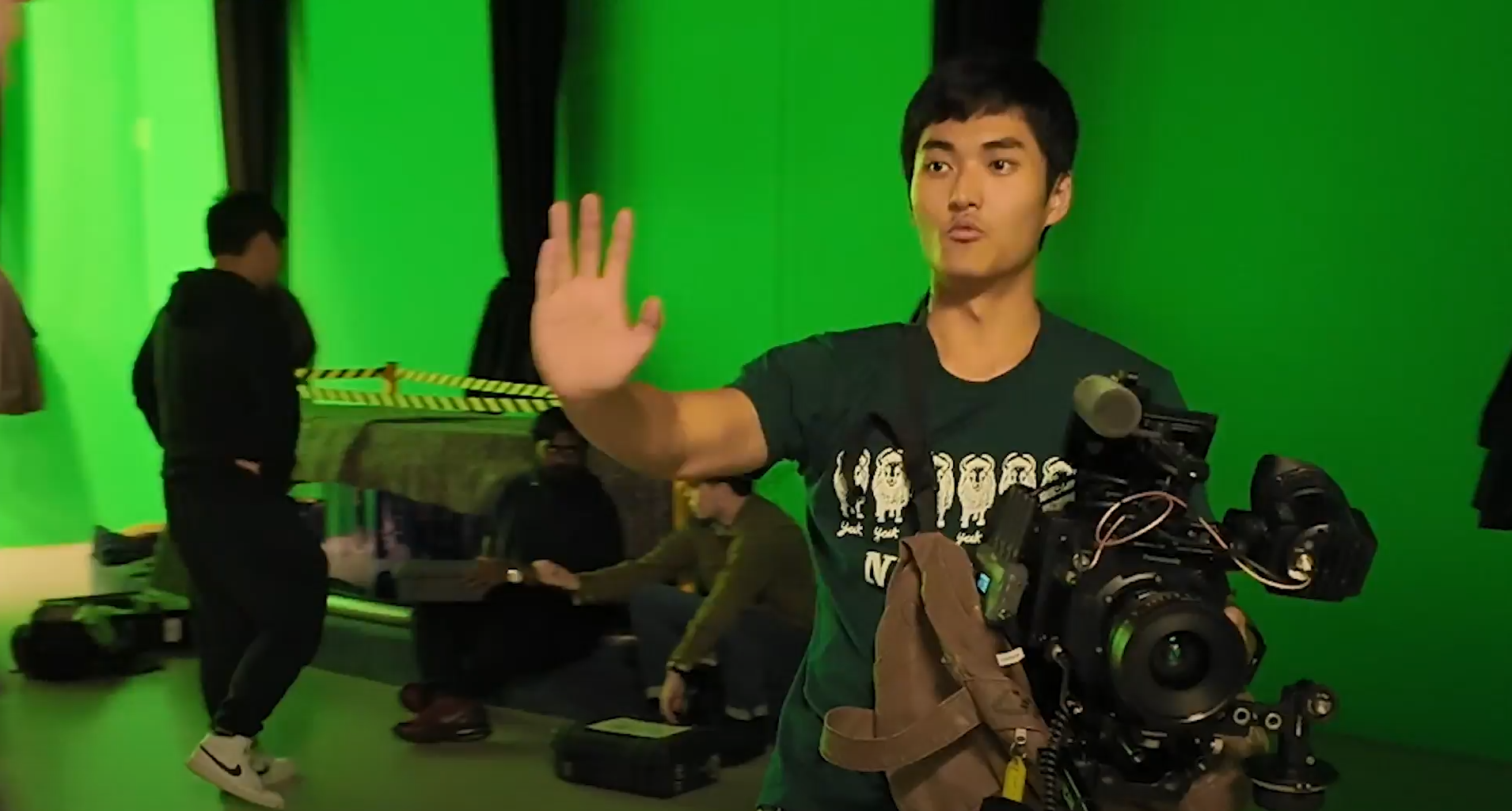
An Image From Varicam LT Testing Session
Storyboard
With every aspect of this production planning going smoothly, I then began documenting the main document which I will use to thoroughly convey my ideas and use as a reference on shoots. While I continued to refine the paper edit/shot list, I collaborated with my visual artist to create a storyboard of all shots. This activity involved me sitting with my visual artist and going through each shot.
This is the most difficult step during pre-production for me as I am unable to draw and it requires me to collaborate with another person to draw all the shots. However, this is the most effective and efficient way of conveying the coverage we need to the crew therefore I always try to include this process with my talented visual artist. While this was underway, we also gave up on the fundraiser and decided to fund it ourselves as it was performing miserably.
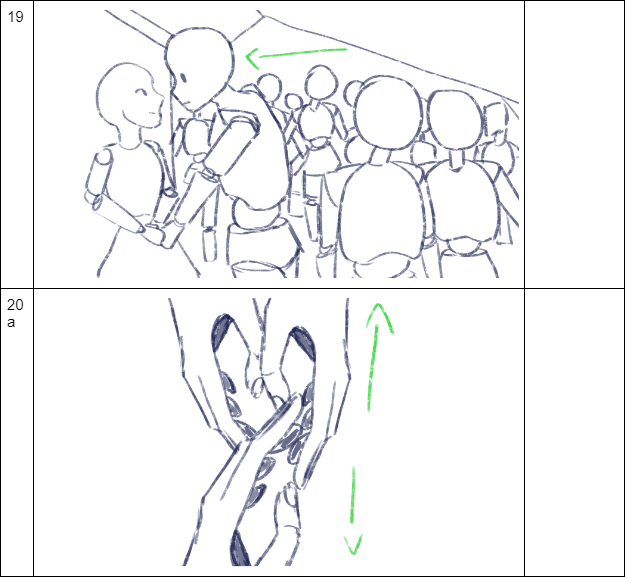
A Section of the Storyboard
Document coming soon
We were nowhere near reaching the goal of $2,000 and we believe this is because online fundraisers are mainly operated through family and friends' donations, and we attempted to gain our funding from mainly random people with our selling point of behind-the-scenes incentives and the quality of our work. In future projects, I intend on receiving the funds either from my own pocket as a passion project or from the artist whom I am making the music video for.
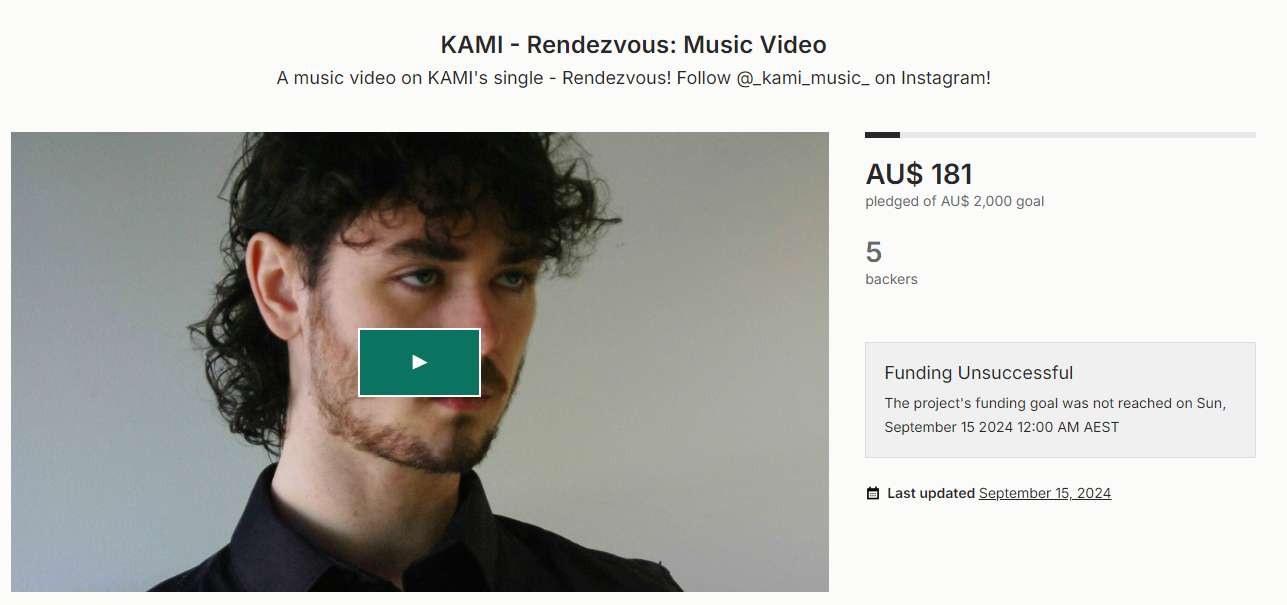
Main Page From the Online Fundraiser
Equipment & technical planning
With the fundraiser out of our sight, I put my attention to securing the equipment loaning. I collaborated with the director of photography to complete the equipment list, but I was extremely confident with exactly what gear we needed as I had familiarity with all the gear.
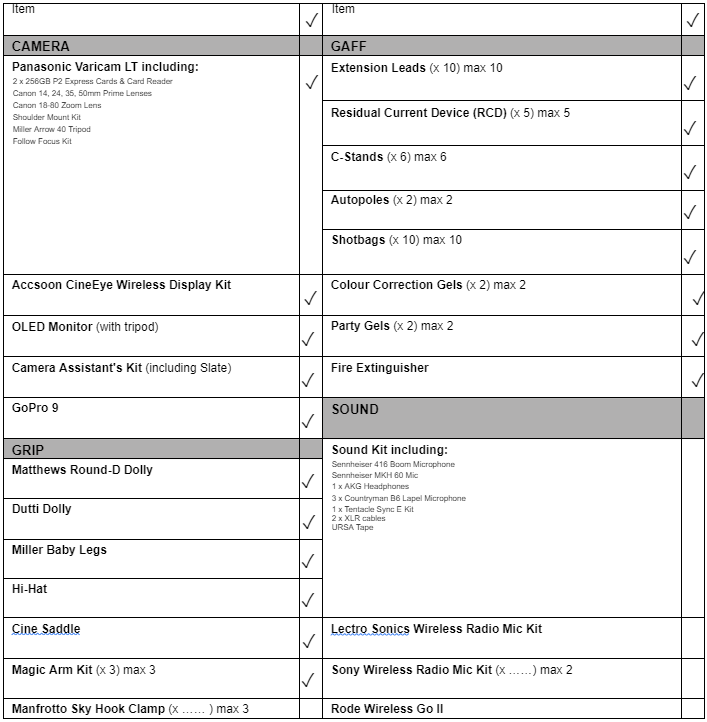
A Section of Equipment List
While we were able to secure all the camera, grip, gaff, and other gear, with our lighting set-ups, we required more light sources. To solve this issue, I hired additional lighting equipment from Kanister Films, a production company which I work at. They were willing to provide the equipment with no fee and this was very fortunate as we did not have a budget aside for equipment hiring.
I also began collaborating with the lighting and art department in regards to specific lighting and production design plans. This step involved meeting each team in person and going through specific plans of each department. For the lighting plan, I collaborated with the director of photography and gaffer to create a floor plan then determining the safe areas to place lighting equipment. I have never tried this type of lighting plan before, but this was an effective process as it allowed us to determine the lighting plan as well as the placement of the camera.
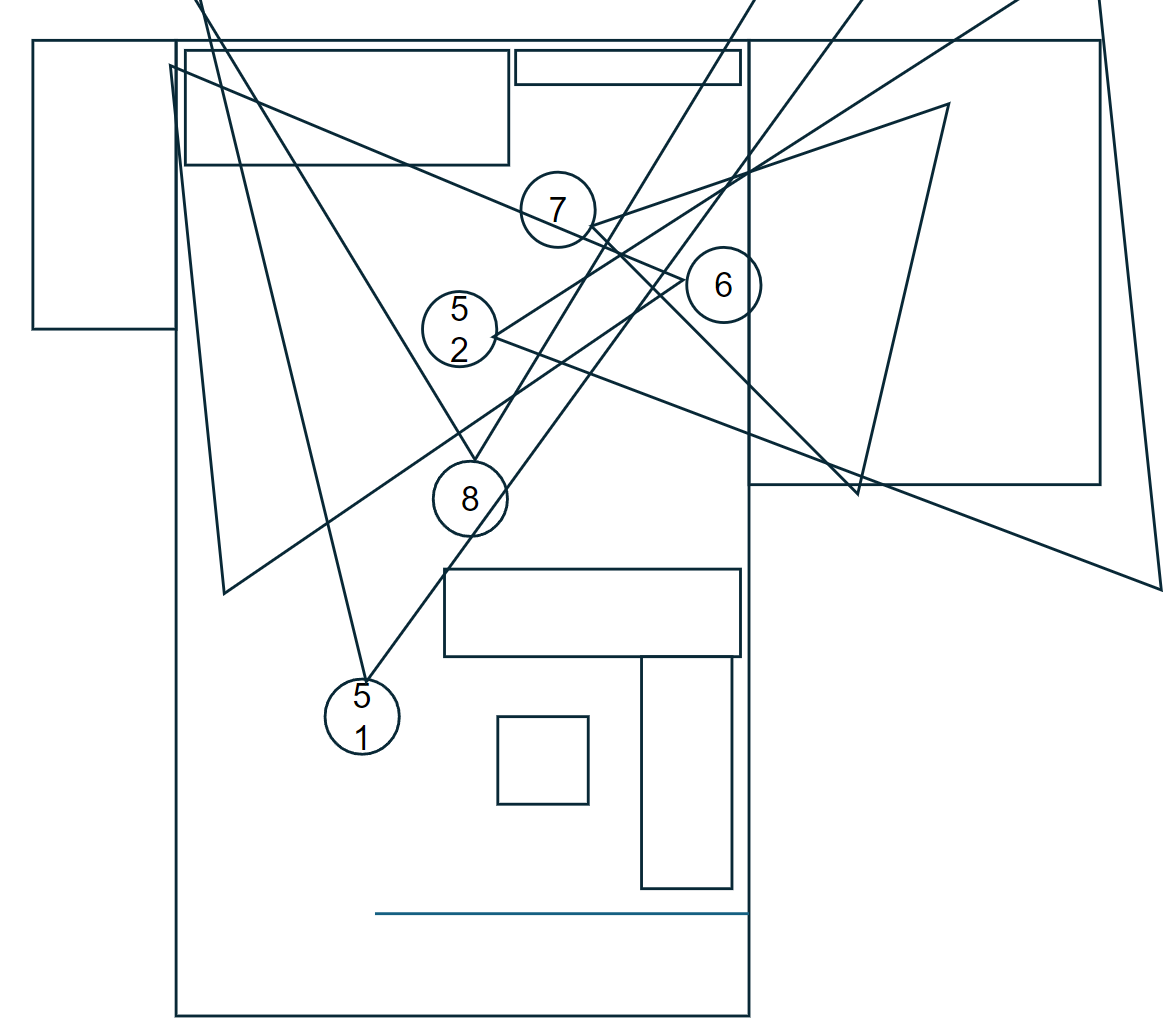
A Section of Floor Plan For House Party Location
With the art team, I mainly mentioned the key props required for specific shots and the story that we must have. As I had minimal experience working with the art team, I conveyed my set design ideas by describing how each location should feel and look. For example, the house party location should look like a young people's party with a lot of alcoholic drinks and snacks placed in a messy way. With a certain amount of budget allocated to the art team, I allowed them to buy the props that they think will make the set authentic.
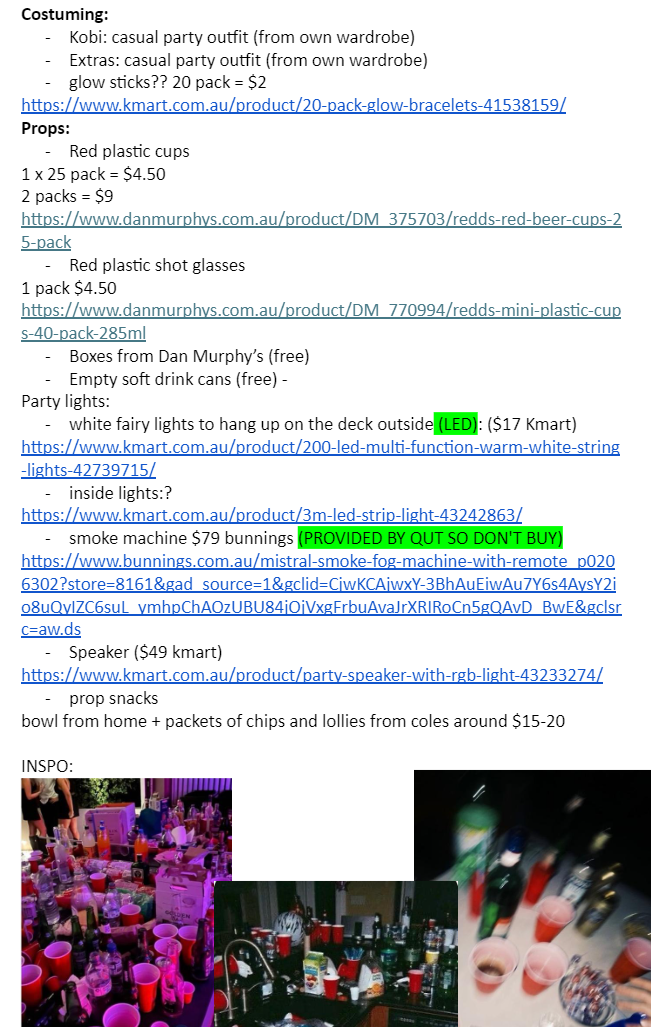
Props List Planned by the Art Team
The detailed shooting schedule is the final document the producer and I worked on before the physical production phase. This document compiles all the shots we need for the edit into the order of shooting, detailing the time given to achieve specific tasks or shots at what location and with who. While this document is mainly used by the producer and 1st assistant director to move according to the schedule, I merged this information with my creative documents to create a blueprint to use during the shoot.
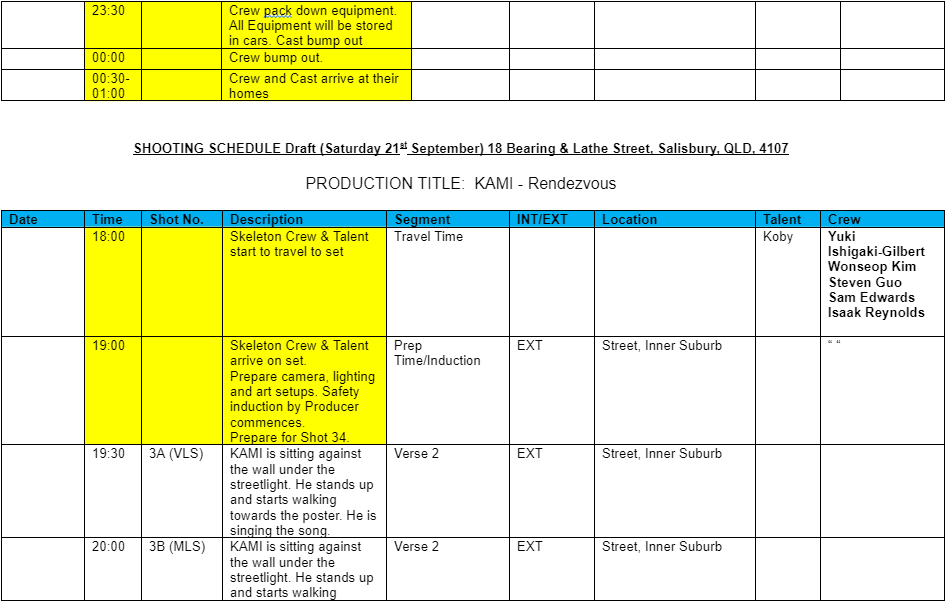
A Section From Detailed Shooting Schedule
This shooting shot list has the shots in the order of shooting while providing visual information on what the shot is. While most shots are using the storyboard to explain information, for some coverage, we were able to do a test shoot during location recces and equipment testing to visualise the actual shot on camera.
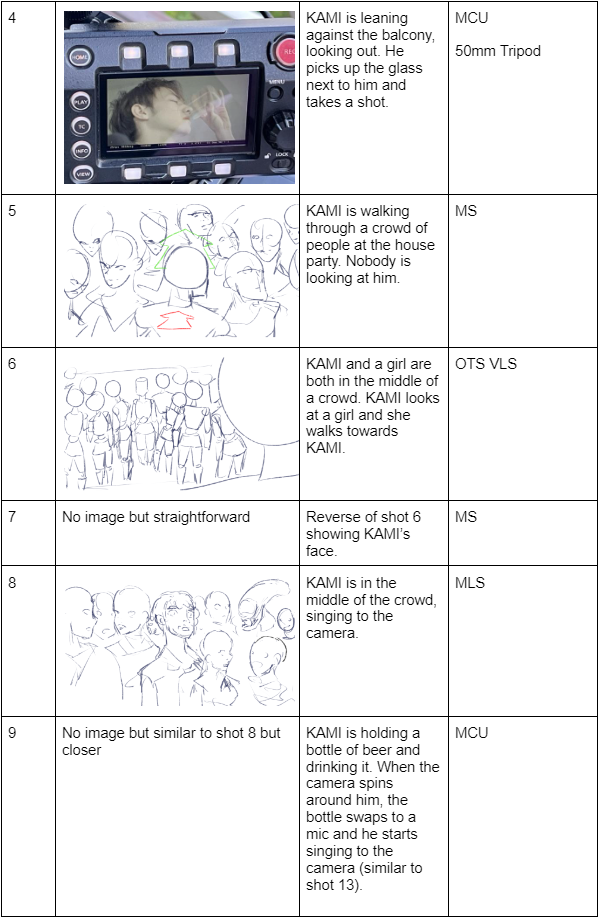
A Section of Shooting Shot List
Location recces
We also had various location recces during pre-production, mainly figuring out the space and the general vibe of each setting.
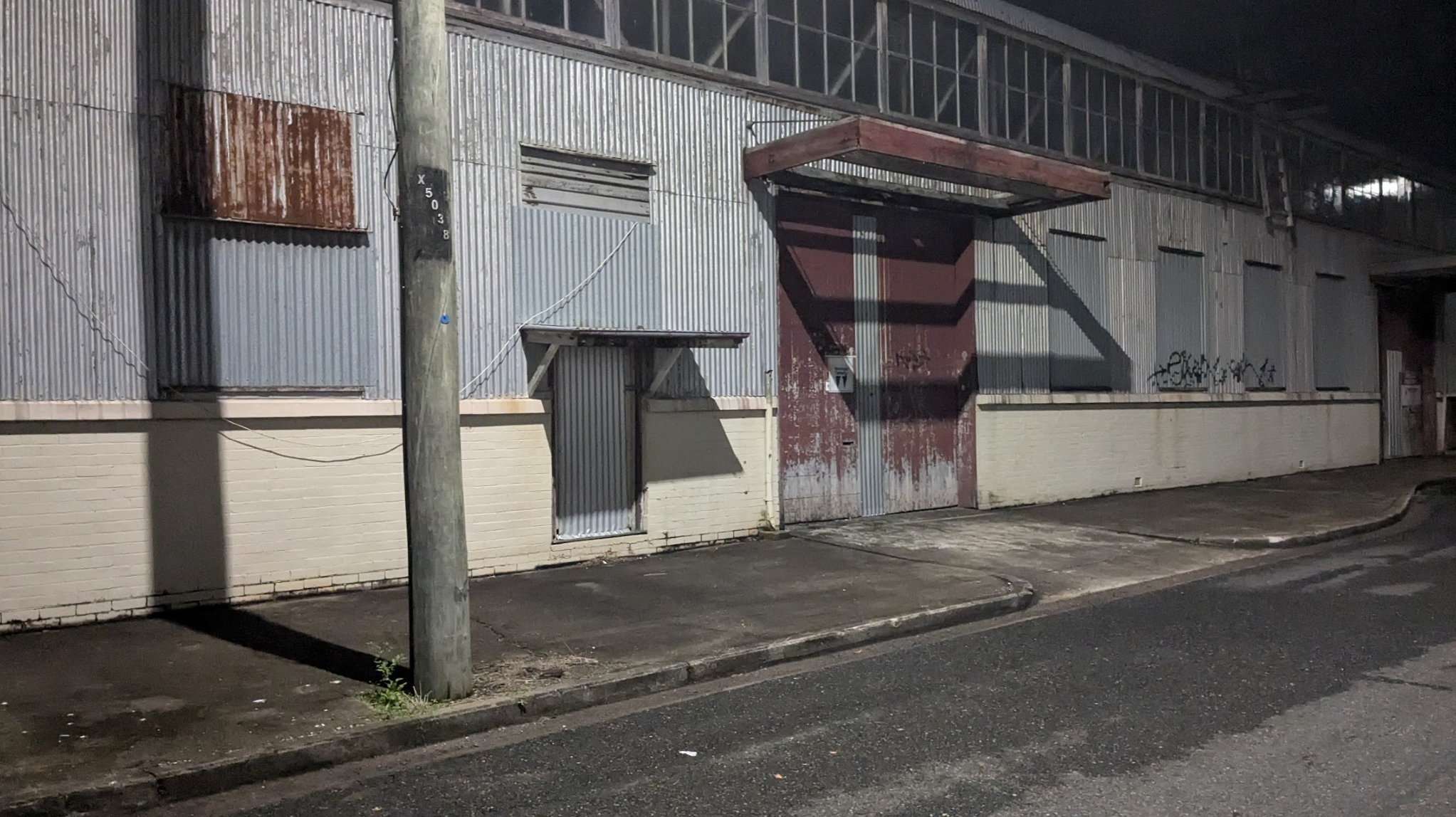
This was the street location.
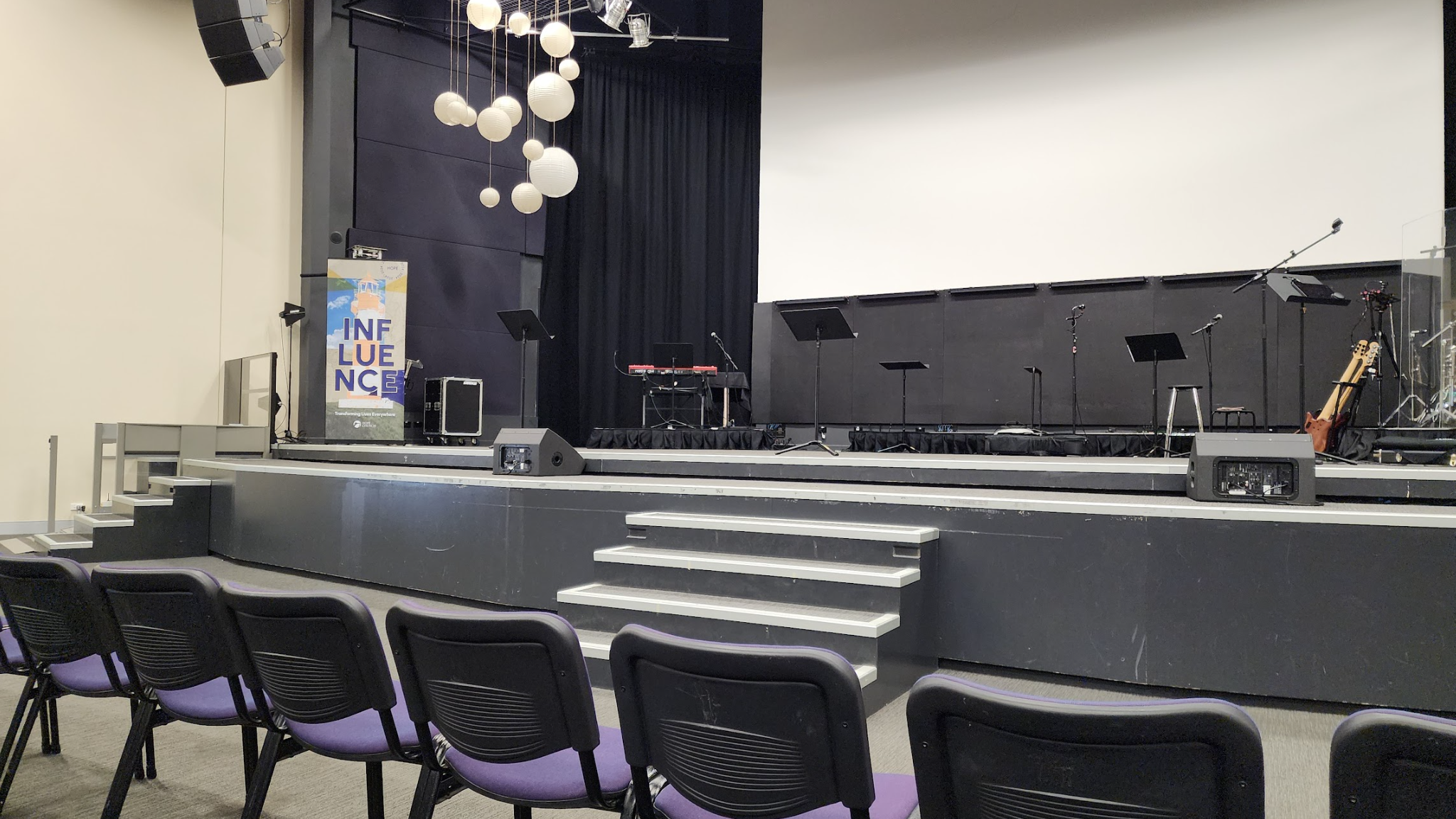
This was the theatre location.
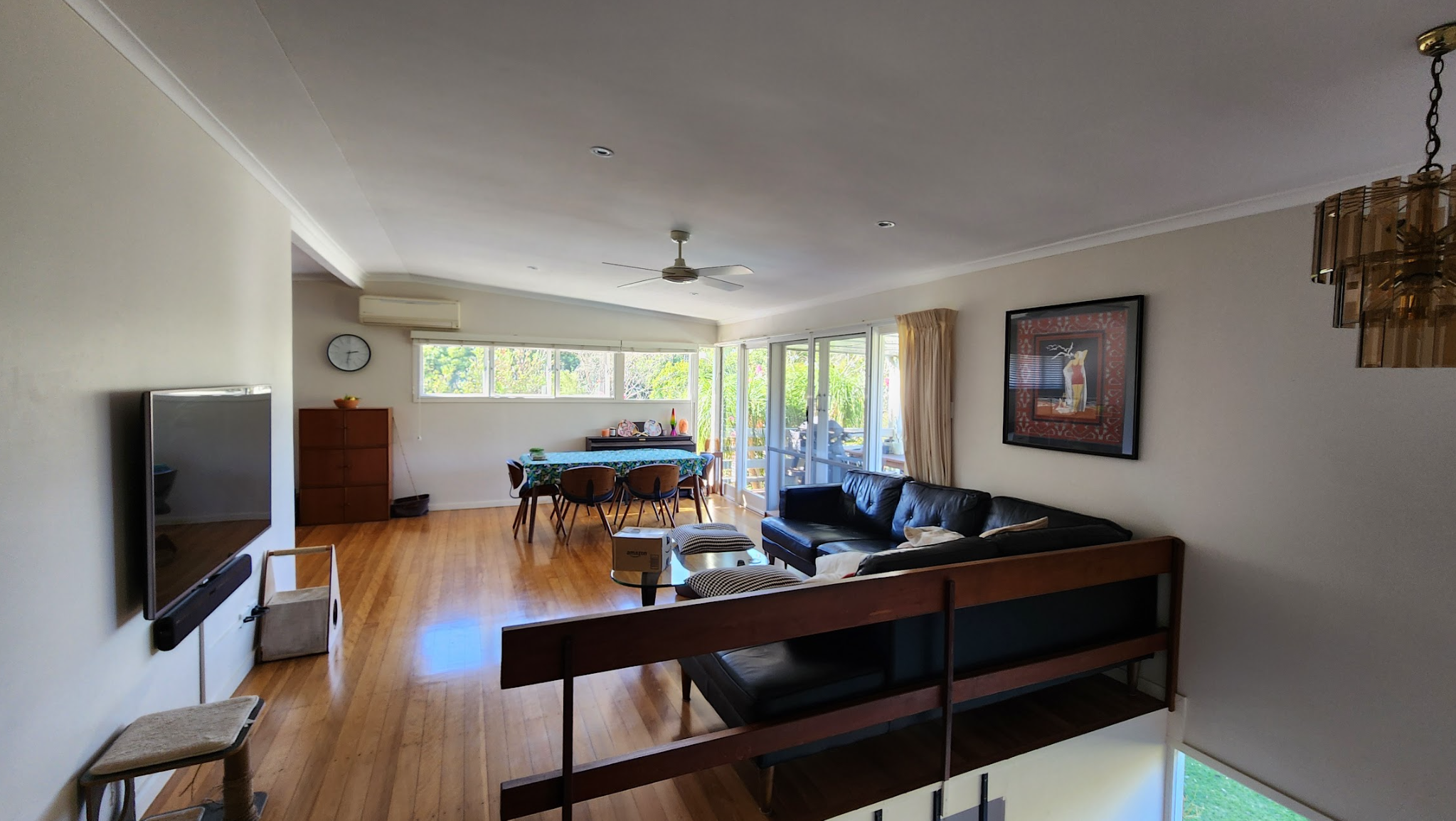
This was the location for house party setting.
Production
With every pre-production planning completed, the producer conducted a safety induction on the crew. This meant we had now done everything required to go out and shoot this music video. On set, as a director with heavy involvement in cinematography, half of my attention was on directing and the other half on cinematography. As we had planned to shoot with two cameras, I had always intended to handle cinematography while my director of photography fully focuses on getting coverage on the second camera. I gave him full control of what he captures on that camera and the end result was extraordinary, far exceeding my expectations as there were many great angles to capture the moments that I could not see through the main camera.
If I have to choose the main reason of this production's success, it was due to the existence of a second camera which was not restricted by the shot list and was able to analyse the environment, then shoot from a different angle.
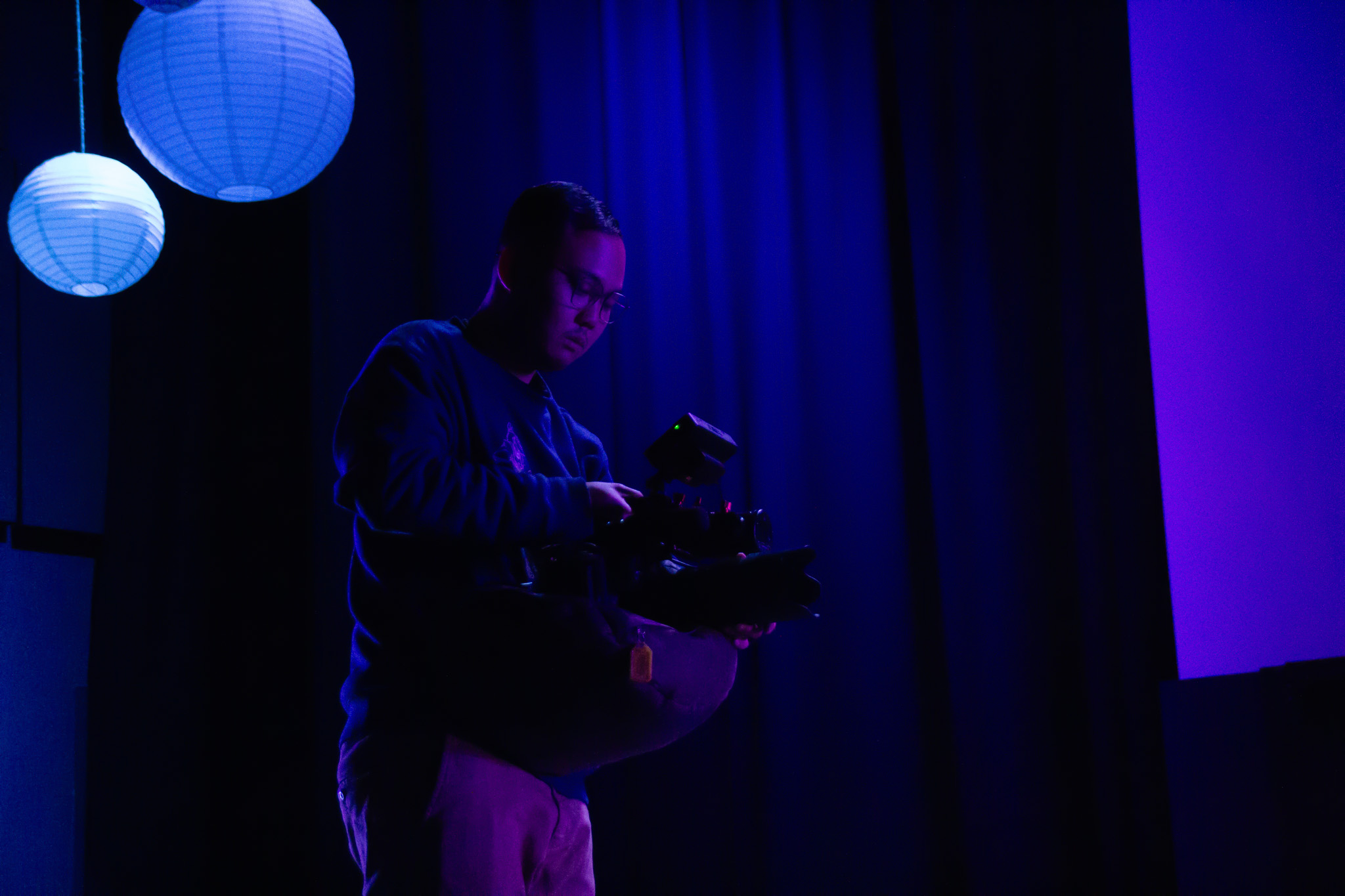
Director of Photography on Second Camera
Overall, the shoot went successfully, gathering all the intended shots within the schedule.
Reflection on set leadership
However, after the conclusion of the shoot, I have been reflecting on my style of directing. First of all, while the artist's performance was extremely energetic, I believe he was able to achieve it despite my lack of direction. When I requested an action from the artist or any cast, I used vague words such as "energetic" and "high intensity" to describe the performance I want. I need to know exactly what I want from the performance and increase my pool of words to describe specific actions. Another reflective point is my direct and straightforward communication. With people whom I haven't worked with before such as the extras and new crew members, I have received feedback that my communication can be perceived as quite rude.
I often comment on the quality of the shot by outright saying it is bad or unusable, but for people who were trying to make the shot work, this could be very demotivating.
For the crew members who understand my style, they are aware that I don't say it to offend anyone therefore the communication is very fluent and efficient. I am hesitant to change this communication method as it has proven effective in certain aspects and it produced a great outcome for this project. I will definitely try to be more elaborate and descriptive in communicating with future collaborators, however I need to be able to switch between different modes of communication methods.
After the shoot concluded, all loaned equipment were returned. While Kanister Films equipment return went perfectly, equipment return for QUT Equipment Loaning Centre was moderately successful with some gear not being packed away properly. For future projects, more care needs to be taken for equipment returning.
Post-Production
Editing
At this point, right before post-production, I was extremely happy with the footage we collected. We had about 80 different shots and 284 different takes in total. However, as we started editing and watched it continuously, I started to see the improvements which could have been made to enhance the music video. The editing sessions consisted of me and the editor collaborating together on every session, usually the editor operating the editing software while I provide feedback on the cuts. As I continued watching the edit and received constructive criticism, there were many elements that could have been improved on during the shoot. For example, there are clear key moments of the song where an instrument plays something interesting or different. I should have taken more notes of these sections and gathered unique shots to showcase these parts.
While the final vision lock still provided a high quality music video content, this was not the best work I could have done and I will improve on many elements on the next project.
Colour grading
The final stage of editing was colour grading. While this was a simple process with a talented colour grader working on this project, due to the large amount of coloured lights on set, we faced some problems with skin tone grading in the theatre location. We tried getting the right skin tone with heavy purple lights on the actor's face, but this created too much of a juxtaposition between the skin and facial hair which still contained a lot of purple colour. Our solution to this problem was to request external help from a skilled filmmaker, who was able to present us with a solution. And with the conclusion of colour grading, that finalised the entire production of this music video.
The Final Video
KAMI — RENDEZVOUS (Official Music Video)
With the screening of the music video coming soon, I am anticipating to see the audience reaction and possibilities of film festival submissions. Even as a director, I had a lot of involvement with each department and for some, maybe I handled too much. Although this strategy worked for this music video production, my trust for the people who worked on this project has increased significantly. For future projects, I plan to continue working with these talented and hardworking people, putting more trust on their work and hence I will have more time to focus on communicating and coming up with better ideas.